
Save the tooth, stop the pain
Root canal treatment
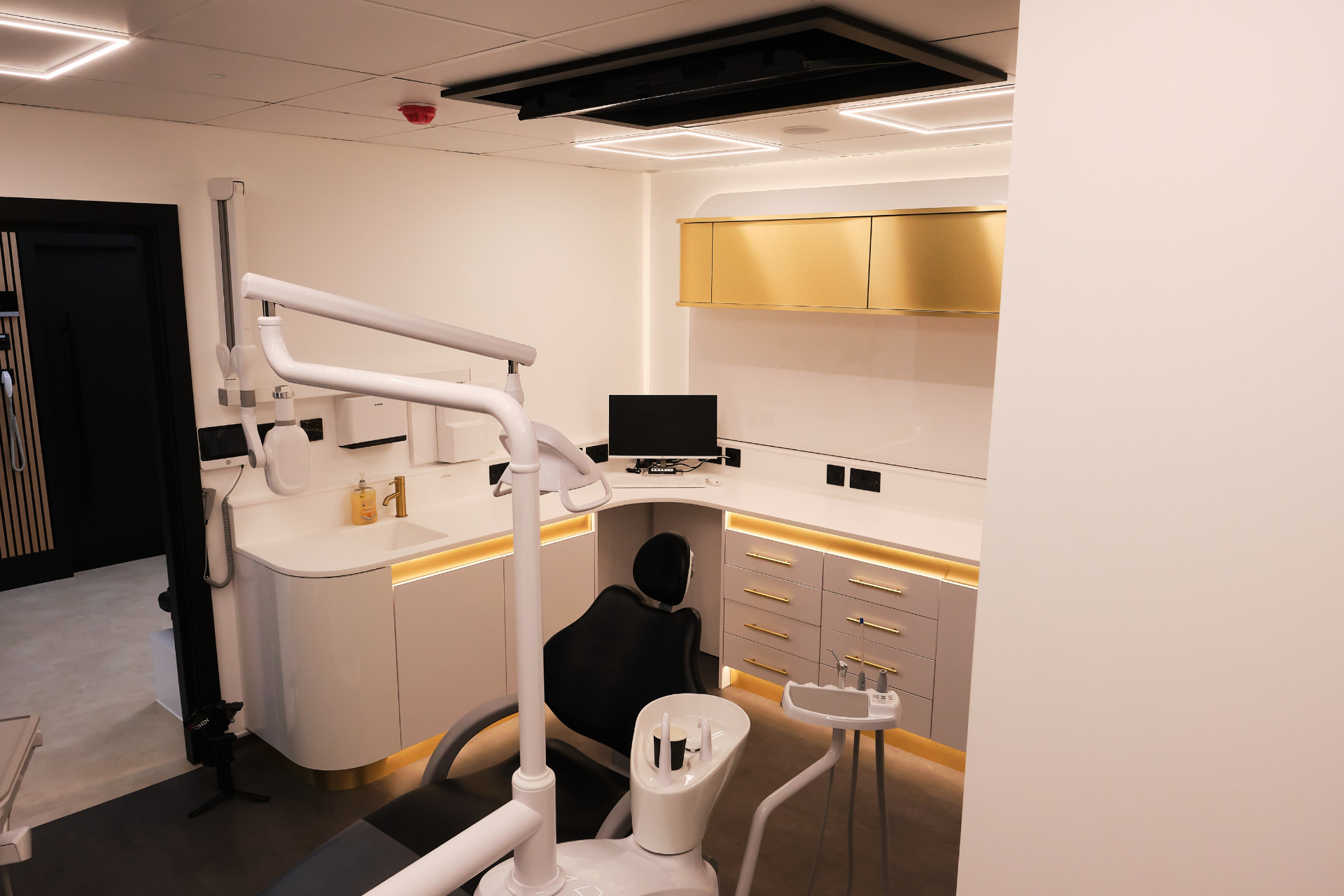
Infection inside a tooth doesn’t mean losing it. We gently numb the area, clean and shape the tiny root canals under magnification, disinfect thoroughly and seal them.
- Local anaesthetic & rubber dam isolation for comfort
- Thorough cleaning and sealed canals to stop reinfection
- Plan to restore strength with a core & (often) a crown

Why root canal here
Calm, precise and focused on saving your tooth.
We remove the infection, clean and seal the inside of the tooth, then restore strength on top, so you can chew comfortably again.
Same-day pain relief
Thorough local anaesthetic and careful access to settle throbbing teeth quickly.
Save your natural tooth
Treat infection at the root so you can keep the tooth rather than remove it.
Clean, dry & protected
Rubber dam isolation keeps things sterile for better outcomes and fewer re-infections.
Precision shaping
Modern rotary files and an apex locator shape canals accurately and conservatively.
3D warm fill seal
Warm obturation techniques seal complex canal spaces to lock bacteria out.
Strong finish
Guidance on onlay/crown protection after treatment to prevent cracks and reinfection.
Save the tooth
Root canal treatment in four steps
Remove infection, seal the roots, and rebuild strength, so you can chew comfortably again.
Diagnose & settle pain
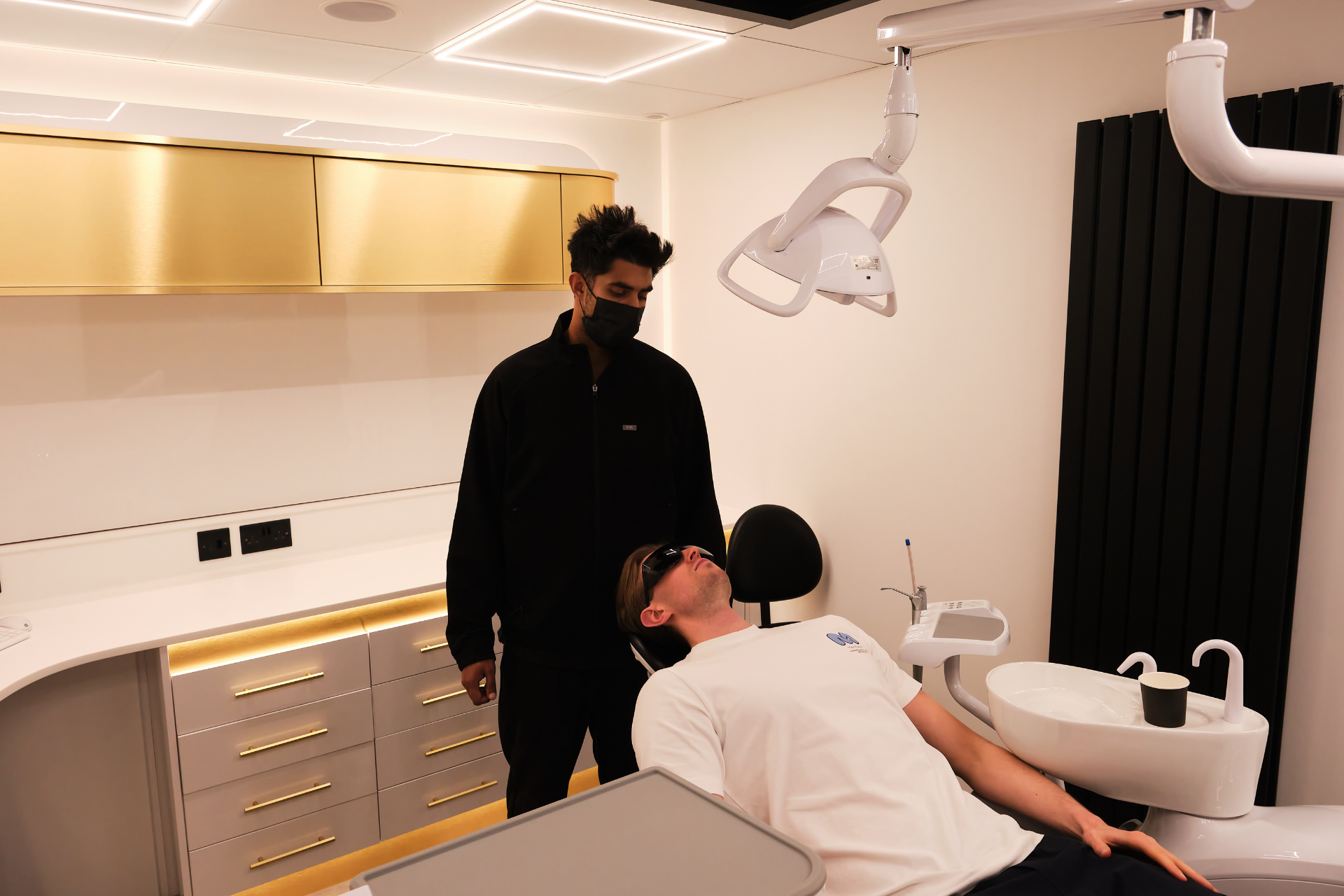
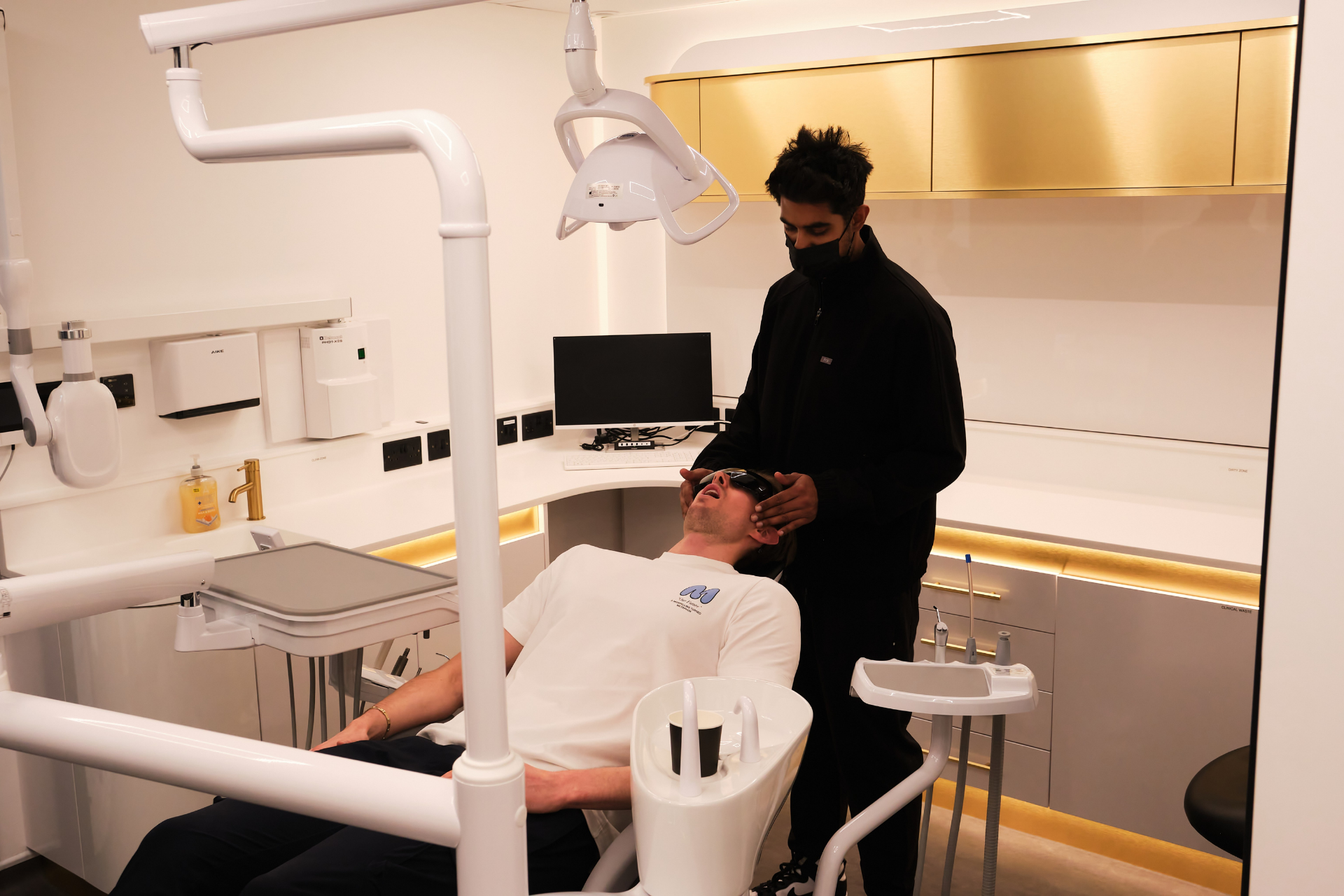
Tests and X-rays confirm the source. Local anaesthetic calms things so treatment feels manageable.
Isolate & access
A rubber dam keeps the tooth dry and sterile. A small opening lets us reach the canals precisely.
Clean & disinfect
Rotary files shape the canals while antibacterial rinses flush bacteria and debris thoroughly.
Seal & protect
Warm filling material seals the canals, then a strong restoration (often a crown/onlay) protects the tooth.

What to expect next
Root canal aftercare & recovery
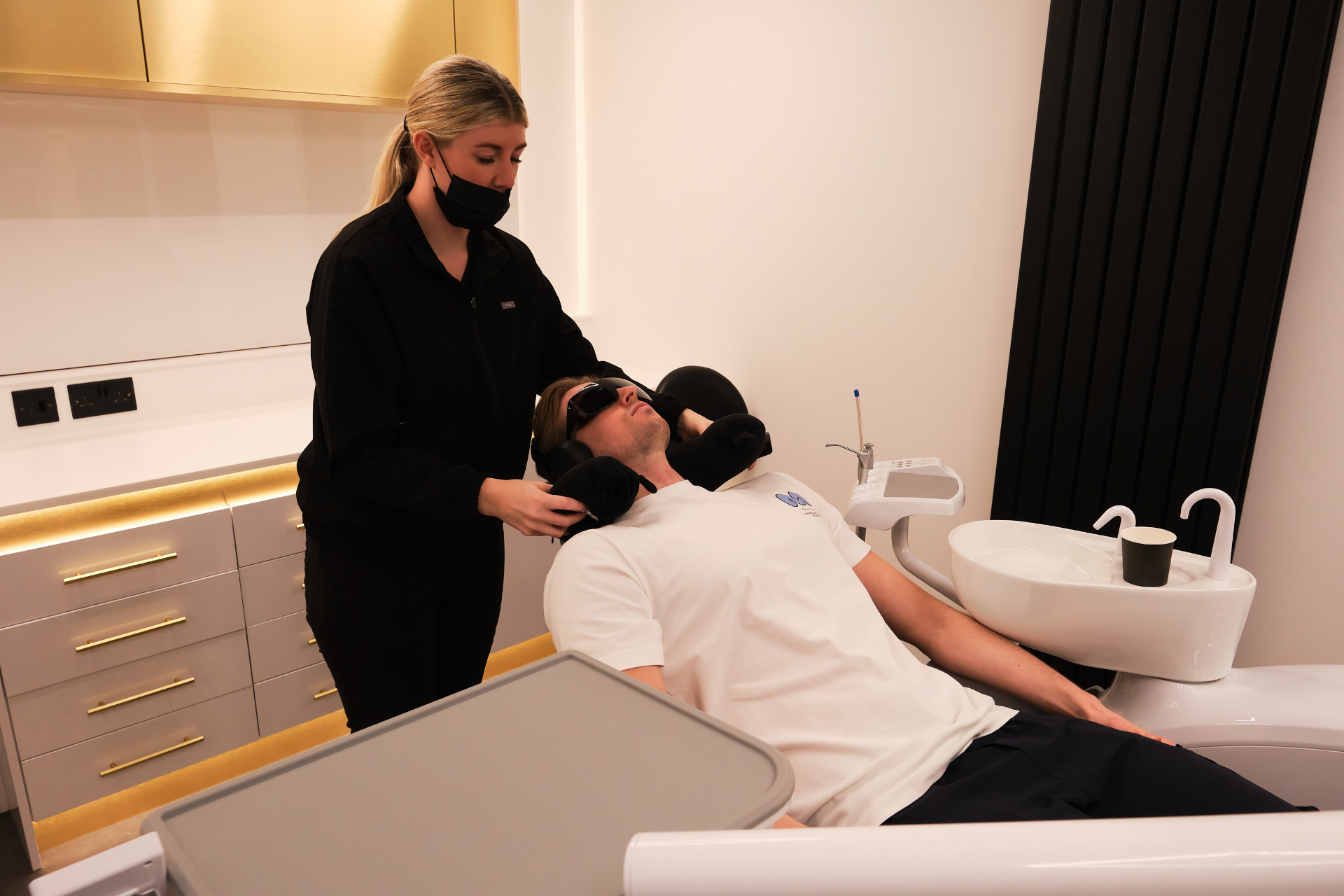
A simple plan for smooth healing. Keep chewing gentle at first, then build back to normal.
Day 0
Right after treatment
- Stay numb ~2–4 hours, take first painkiller before it wears off.
- Chew on the other side until tenderness settles.
- Small filling? Eat soft foods today; crown/onlay will follow if recommended.
Days 1–3
Settle & protect
- Ache on biting is common — anti-inflammatories usually handle it well.
- Brush/floss as normal around the tooth; be gentle if it’s tender.
- Avoid very hard/sticky foods until the final restoration is placed.
Week 1
Restore strength
- Fit the recommended crown or onlay to prevent cracks in back teeth.
- Bite will be refined so it feels natural on chewing.
2–12 months
Review & confirm healing
- Follow-up check and X-ray (usually at 6–12 months) to see bone healing.
- If symptoms return, we’ll discuss retreatment or other options.
Save the tooth. Stop the ache.
Ready to start your root canal?
We clean the infection, seal the canals and restore the tooth so you can chew comfortably again. Calm treatment, clear aftercare, and a plan for long-term strength.
- Comfort-first local anaesthetic and gentle pacing
- High-magnification shaping, thorough disinfection & warm obturation
- Crown/onlay plan for back teeth to prevent cracks