26 Derby Street, Ormskirk, L39 2BW

Calm care, quick relief

Tooth extraction

When a tooth can’t be saved, we remove it gently under local anaesthetic. We’ll explain each step, keep you comfortable, and provide clear after-care so healing is smooth.

  • Simple & surgical extractions carried out with care
  • Local anaesthetic as standard; sedation by arrangement
  • Plan for replacement (implant, bridge or denture)

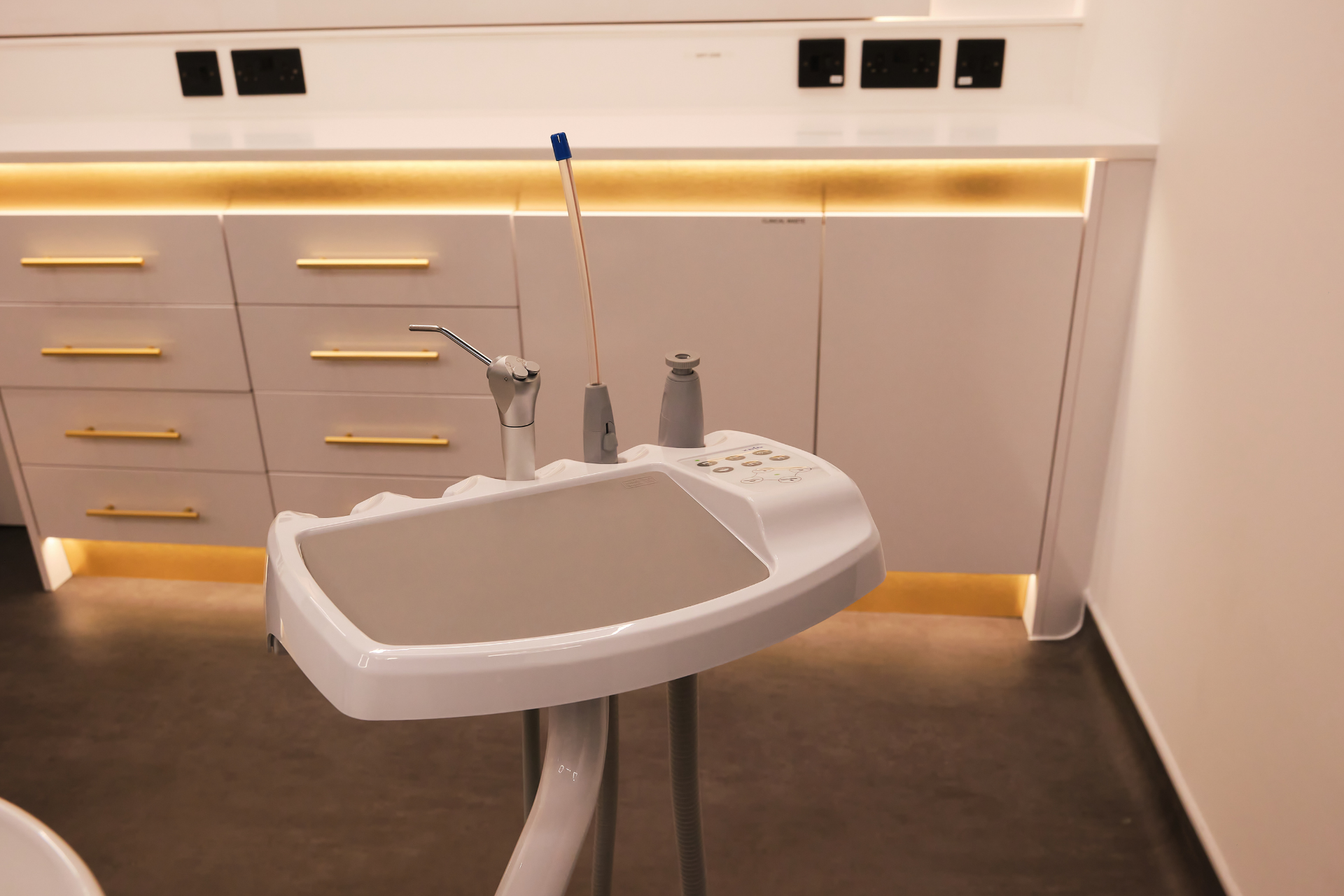
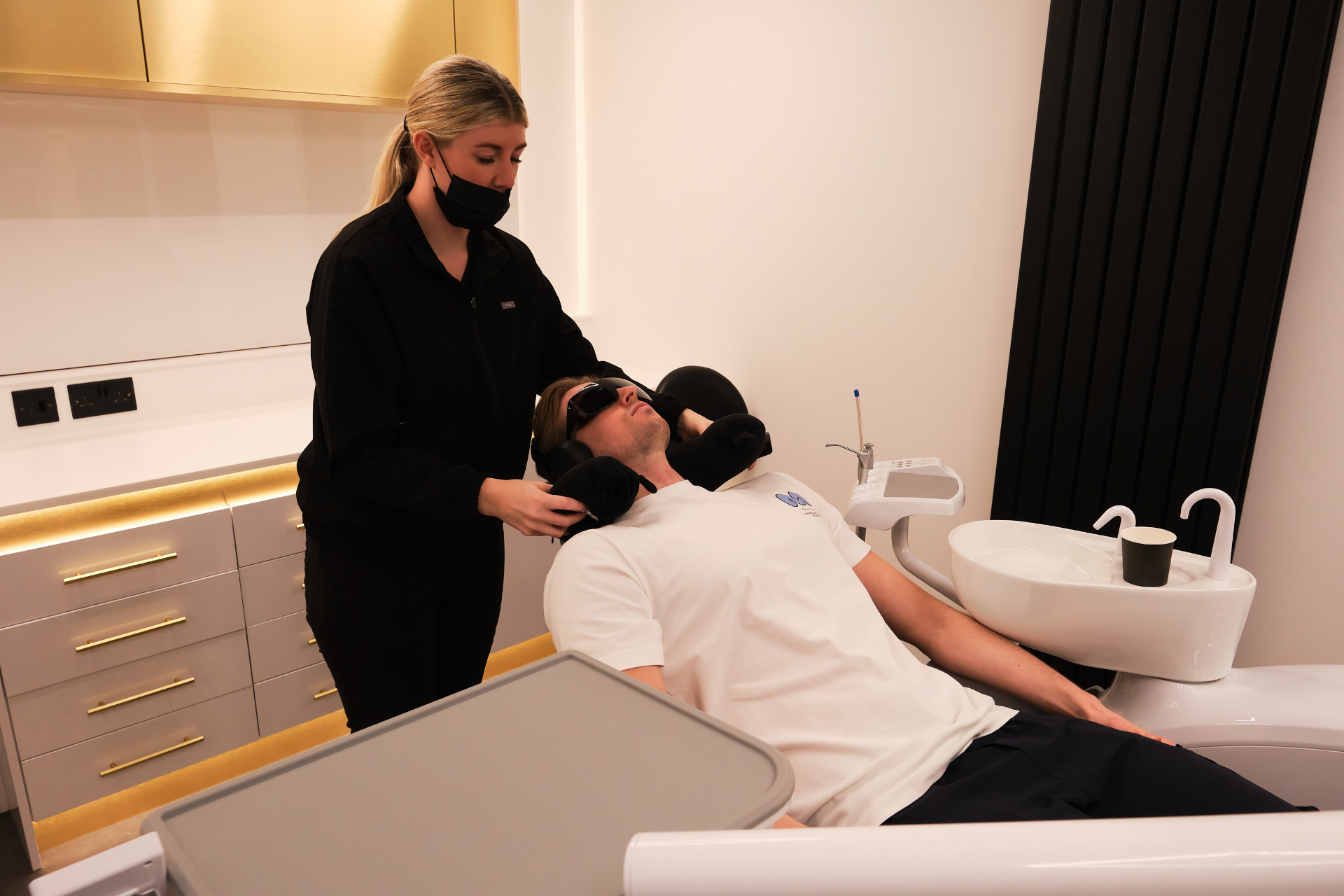
Calm, modern room prepared for a tooth extraction

Why have it done here

Gentle extraction. Smooth recovery.

Focused planning, careful removal and clear after-care, so you heal quickly and feel looked after every step.

Comfort-first approach

Gentle technique and effective local anaesthetic minimise pressure and discomfort.

Simple or surgical

Routine, surgical and wisdom tooth extractions carried out with the right tools for each case.

Swelling control

Clear guidance on rest, cold packs and medication to reduce swelling and soreness.

Dry-socket prevention

We protect the clot and give simple do’s & don’ts to help avoid complications.

Replace when ready

Advice on implants, bridges or dentures with timing that supports ideal healing.

After-care pack & follow-up

Written instructions, gauze as needed and a check-in to keep healing on track.

Tooth extraction fees

Straightforward pricing for simple and surgical extractions.

Extraction (from)

£250mph

Root extraction (from)

£180mph

Surgical extraction (from)

£350mph

Wisdom tooth extraction (from)

£350mph

Calm, careful care

Tooth extraction in four steps

Planned, gentle removal with clear aftercare, so healing is smooth and predictable.

1

Assess & X-ray

We examine the tooth, roots and nearby nerves. X-rays help us plan the safest route.

2

Numb & comfort

Local anaesthetic fully numbs the area. You’ll feel pressure, not pain; we go at your pace.

3

Gentle removal

Atraumatic techniques lift the tooth; we clean the socket and protect the blood clot.

4

Aftercare & plan

Gauze, instructions and a check-in. We discuss options to replace the tooth if desired.
What kind do I need?

Types of tooth extraction

Simple

For teeth that are visible and mobile enough to remove without cutting the gum.

  • Local anaesthetic; pressure felt, not pain
  • Gentle elevation to protect surrounding tissues
  • Back to normal the next day (typically)

We’ll protect the blood clot and give clear bite-on-gauze instructions.

Surgical / sectional

Used when a tooth breaks at gum level, has curved roots, or needs sectioning to remove safely.

  • Small gum opening; careful bone access if required
  • Tooth divided to avoid force and protect bone
  • Stitches may be placed; 2–3 days of swelling possible

We’ll review healing and remove stitches if they’re not dissolvable.

Wisdom teeth

For impacted or infected third molars causing pain, infection or crowding.

  • X-ray/scan to map nerves, roots and sinus proximity
  • Surgical approach common; stitches often used
  • Expect a few restful days; cold compress helps

We’ll discuss risks (e.g., temporary numbness) and comfort options beforehand.

Orthodontic / space

Planned removal to create space for alignment or help crowded teeth erupt.

  • Coordinated with your orthodontic plan and timing
  • Usually simple; minimal downtime
  • Clear plan to close spaces with braces or aligners

Answers at a glance

Tooth extraction FAQs

Will it hurt?
We use local anaesthetic so you feel pressure, not pain. You may be sore once the numbness wears off—simple pain relief is usually enough. Tell us if you’re anxious; we’ll take it slow and top-up anaesthetic if needed.
How long does an extraction take?
Simple extractions are often 20–30 minutes. Surgical or wisdom tooth cases can take longer depending on roots and access. We’ll advise timings at your assessment.
What is dry socket and how do I avoid it?
It’s when the blood clot dislodges, causing throbbing pain (typically days 2–5). To reduce risk: avoid smoking/vaping, hot drinks, alcohol, straws and vigorous rinsing for 72 hours. If you get worsening pain or bad taste, contact us for dressing.
Will I need stitches?
Sometimes. Many stitches are dissolvable within 7–10 days. If non-dissolvable stitches are used, we’ll book you to have them removed.
What can I eat and drink afterwards?
Bite on gauze for 20–30 minutes, then choose soft, cool foods (yoghurt, mashed potato, scrambled eggs). Avoid hot/spicy foods, alcohol and straws for 72 hours. Chew on the opposite side until comfortable.
When can I go back to work or exercise?
Many people return to desk work the next day after a simple extraction. For surgical/wisdom teeth, allow 2–3 days. Avoid heavy exercise and sauna/steam for 48–72 hours to limit bleeding and swelling.
Do wisdom teeth have extra risks?
Impacted lower wisdom teeth sit near nerves; we’ll assess with X-rays (and scans if needed) and explain rare risks like temporary numbness. Swelling and limited mouth opening are common for a few days—cold compress and rest help.
How soon can I replace the tooth (e.g., with an implant)?
Some sites suit immediate options; others heal first (often 8–12 weeks) for best long-term results. We’ll map the timeline and discuss a temporary solution if you want a tooth replacement straight away.

You won’t go through this alone

Worried about a tooth extraction?

We plan gently, numb fully, and stay with you afterwards. You’ll leave with written aftercare, simple pain control advice, and a real person to call if you’re unsure.

  • Comfort-first care with clear, calm pacing
  • Straightforward fees & written aftercare pack
  • Direct line for post-op questions, no guesswork

Scroll to Top