26 Derby Street, Ormskirk, L39 2BW

Advanced care. Gentle approach.

Oral Surgery

Precision surgical care by Dr Jam: wisdom tooth removal, bone grafts, soft-tissue grafts and sinus lifts. Planned digitally, delivered comfortably, and guided by evidence-based protocols.

  • CBCT-guided assessment for safer, predictable surgery
  • Minimally invasive techniques where possible
  • Clear aftercare plan to reduce swelling and downtime
  • Close follow-up with direct access to our team
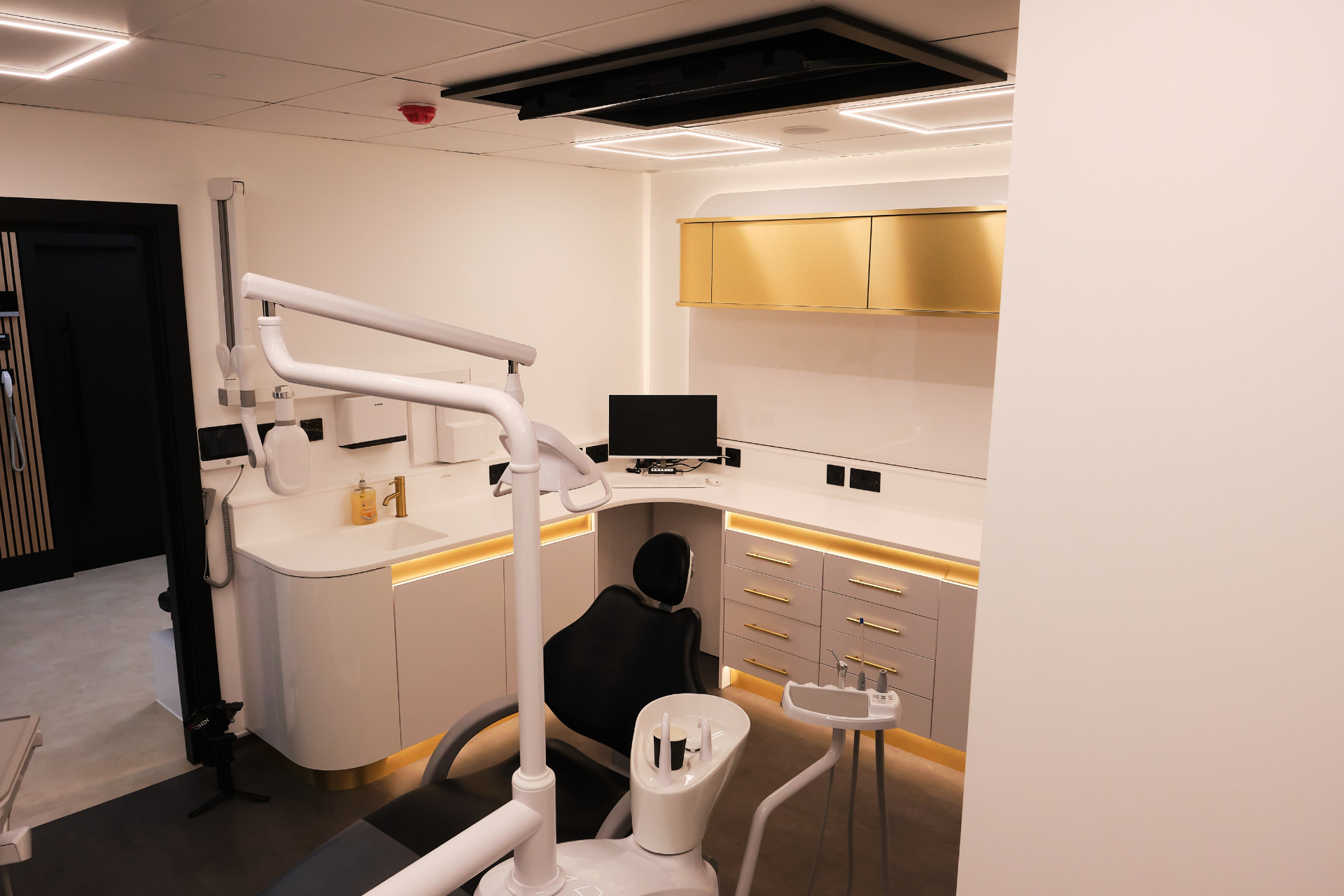
Digital planning and oral surgery suite

What oral surgery is

Targeted treatment for teeth, bone and gums

Oral surgery addresses problems below the surface: impacted wisdom teeth, areas of missing or thin bone, and delicate gum concerns. With CBCT-guided planning and minimally invasive technique, Dr Jam restores comfort, function and a stable foundation for long-term oral health.

Wisdom tooth care

Gentle removal of impacted or symptomatic wisdom teeth to relieve pain and prevent infection.

Bone grafting

Rebuilds volume after tooth loss or extraction—supporting future implants and facial profile.

Soft-tissue grafts

Adds or thickens gum tissue to cover recession and protect roots from sensitivity and wear.

Sinus lifts

Creates space and support in the upper jaw so implants can be placed securely later.

Digital, precise planning

CBCT imaging maps nerves, roots and sinuses for accurate, safe surgery tailored to you.

Comfort & aftercare

Local anaesthetic and a clear recovery plan to minimise swelling and downtime.

Your procedure, step by step

Oral surgery in four steps

Clear planning, gentle technique and precise aftercare.

1

Assessment & 3D imaging

Medical history, photos and CBCT/panoramic as needed. We confirm diagnosis, discuss risks/benefits and outline your options.

2

Plan & consent

Written plan and fees, pre-op guidance, and any prescriptions (e.g., anti-inflammatories/antibiotics if indicated). Questions welcomed.

3

Procedure (tailored)

Wisdom tooth: atraumatic removal. Bone graft: site prep + biomaterial/membrane. Soft-tissue graft: delicate grafting & microsutures. Sinus lift: crestal/lateral membrane elevation and grafting.

4

Aftercare & review

Post-op pack and instructions, healing review and suture removal if placed. We’re on hand if you have any concerns.

Procedures at a glance

Oral surgery by Dr Jam

Open a panel to see what’s involved and who it’s for.

Atraumatic technique

Wisdom tooth removal

For impacted, infected or painful wisdom teeth. Local anaesthetic with gentle, section-and-elevate methods to protect bone and soft tissue.

  • CBCT/panoramic imaging where indicated
  • Socket cleaned and smoothed; sutures if needed
  • Clear post-op plan for swelling and comfort

What to expect: 3–5 days of mild swelling; most return to normal within a week.

Gum health & coverage

Soft-tissue graft

Thickens or re-covers receded gums to protect roots and improve aesthetics.

  • Connective-tissue or alternative graft materials
  • Microsutures for precise, comfortable healing
  • Stability around teeth or implants

What to expect: mild tenderness 3–5 days; soft diet; review in 1–2 weeks.

Preserve or rebuild

Bone graft

Used to maintain or restore jaw volume for implants or aesthetics.

  • Socket preservation at extraction to retain ridge shape
  • Ridge augmentation with biomaterials and membrane
  • Healing phase before implant or bridgework

What to expect: numb for treatment; swelling 2–3 days; typical healing 3–6 months.

Upper jaw support

Sinus lift

Creates space for implants in the back upper jaw when bone height is limited.

  • Crestal (internal) lift for smaller height gains
  • Lateral window approach for larger reconstructions
  • Often combined with graft material; implant placed at same time or later

What to expect: stuffy-nose feeling for a few days; avoid blowing nose; healing typically 4–6 months.

Aftercare & recovery

Heal smoothly with clear guidance

Simple steps to protect your grafts, extractions or sinus lift, and exactly when to get in touch.

First 24 hours

  • Keep gauze in place for pressure; change as instructed.
  • Ice the cheek in short intervals to reduce swelling.
  • No rinsing, spitting or straws to protect the clot.
  • Take pain relief/antibiotics exactly as directed.

Days 2–7

  • Begin gentle salt-water rinses after meals (if advised).
  • Soft foods; chew on the opposite side.
  • Brush carefully around (not on) stitches.
  • No smoking or vigorous exercise while healing.

When to call us

  • Increasing pain/swelling after day 3, fever or bad taste.
  • Bleeding that doesn’t slow with firm pressure.
  • Concerns about stitches or a graft/implant site.
  • Any worries, we’d rather you check in early.

We’ll give you tailored written aftercare at your appointment.

Dr Jam in the surgery suite

Clinic Director & Implant Surgeon

Dr Jamshaid Mansoor

GDC: 228450 · BDS, MFDS RCS (Ed), MJDF RCS (Eng), PG Cert (Implant Dentistry), PG Cert (FAID), PG Dip (AARD)

A Manchester Dental School graduate (2012) and winner of the John Lowry Oral Surgery Award, Dr Jam combines hospital-grade oral & maxillofacial experience with a design-led approach to implants and advanced restorative care. He’s trained extensively across the North West, completed multiple postgraduate programmes in implant dentistry, and previously taught as a Clinical Tutor at Manchester University.

  • Published internationally (incl. BDJ clinical guide series); speaker at BDA & ADI
  • Mentors dentists across the UK via his implant training programme
  • Expert in complex extractions, bone & soft-tissue grafting, sinus lifts and full-arch rehabilitation
  • Creator of a streamlined “same-day smile” protocol for life-changing, fixed results

Outside clinic: car enthusiast (dream: Lamborghini Sesto Elemento; favourite marque: Porsche), motorsport at Spa-Francorchamps, plus football, cricket, F1, golf, travel, films and music.

Answers at a glance

Oral Surgery FAQs

Do I need my wisdom tooth removed?
Not always. We recommend removal if there’s pain, infection, decay on the tooth in front, cysts, or repeated food trapping. Dr Jam will review your X-rays and bite to confirm if extraction is the safest option.
What is a bone graft and when is it needed?
A bone graft rebuilds areas of thin or missing jawbone, often after tooth loss, to support future or existing implants. We use carefully selected materials and techniques to restore volume and shape for a stable, natural result.
What is a sinus lift?
In the upper back jaw, the sinus can sit close to the roots. A sinus lift gently raises the sinus floor and places bone beneath it, creating enough height for secure implants where it’s otherwise too shallow.
What is a soft-tissue graft and why might I need one?
A soft-tissue (gum) graft adds thickness or covers recession around teeth or implants. It protects roots, improves comfort and helps achieve a balanced, healthy gum line for long-term stability.
Will it hurt? What anaesthesia do you use?
Procedures are carried out with local anaesthetic so you’re comfortable and pain-free during treatment. We also offer calming techniques and thorough aftercare guidance. If you require IV sedation, we can arrange a referral.
What’s recovery like?
Expect some swelling and tenderness for 2–3 days (peaking at ~48 hours), then settling over a week. Most people return to desk work in 1–2 days. You’ll leave with personalised aftercare, pain relief advice and review as needed.

Specialist-led care

Ready to plan your oral surgery?

From wisdom tooth removal to bone and soft-tissue grafts and sinus lifts, your treatment is planned and delivered by Dr Jam for a safe, predictable result.

  • CBCT-guided assessment and planning
  • Comfortable local anaesthetic with clear aftercare
  • Fixed-teeth pathways coordinated with our implant team
Scroll to Top